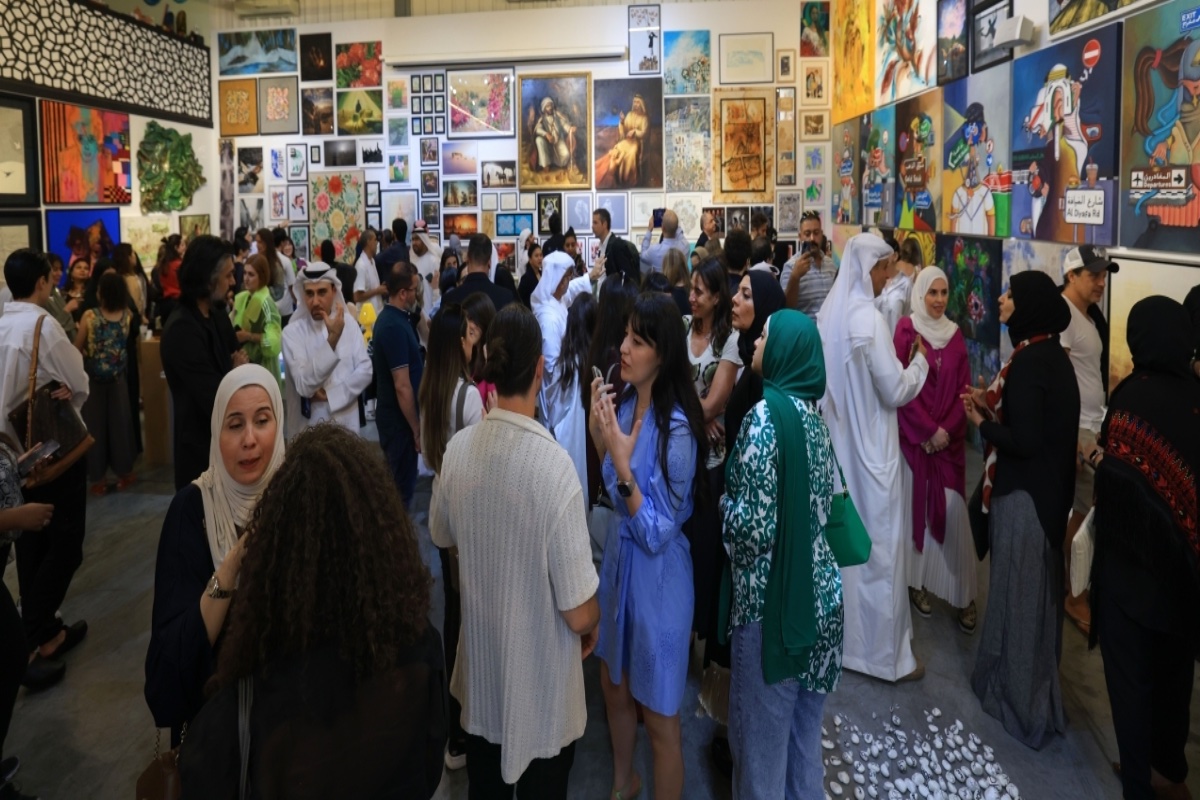
Welcome to MENA Art
Exclusive access to galleries and artists across the region etc.
Search the ADAI marketplace by uploading an image and explore visually similar artworks.

Drag an image here

Exclusive access to galleries and artists across the region etc.
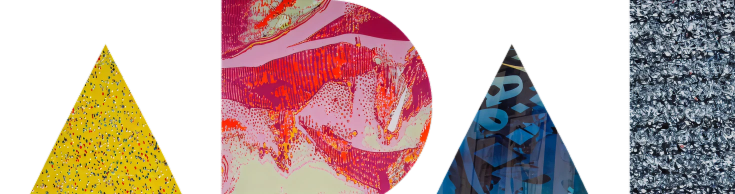
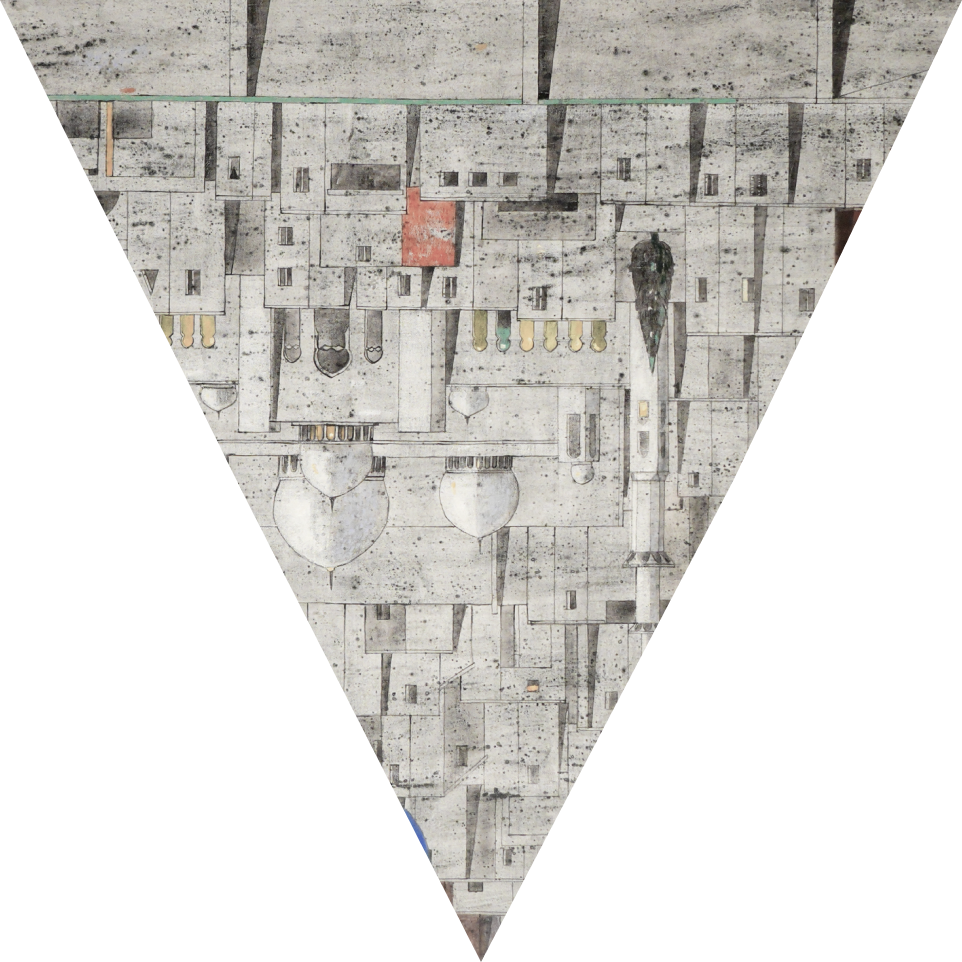
Art investment in the MENA region is evolving rapidly, blending cultural insight with strong market growth.
Would you like to:
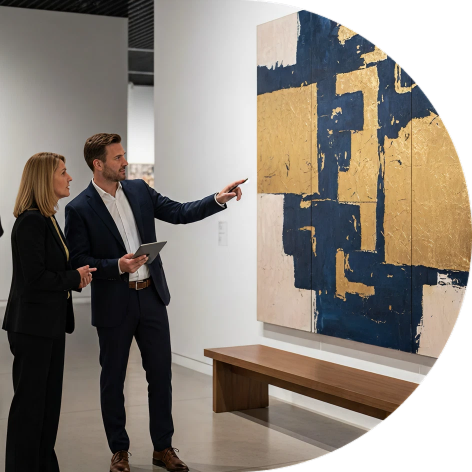
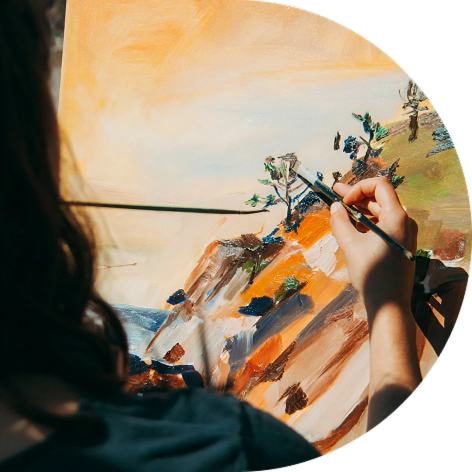
ADAI works with artists across the Middle East and North Africa to ensure their work is seen, understood, and contextualized. Representation on ADAI means supporting artists through curated visibility, research, and digital presentation, connecting their work to audiences, exhibitions, and broader cultural conversations.
Artists featured on ADAI are not exclusively signed or commercially represented— instead, ADAI provides a platform to showcase your practice, highlight your perspective, and situate your work within the evolving landscape of MENA art.
By representing your work on ADAI, you gain access to:
Representation is about visibility, context, and community - helping your art reach the right audiences while respecting your autonomy as an artist."
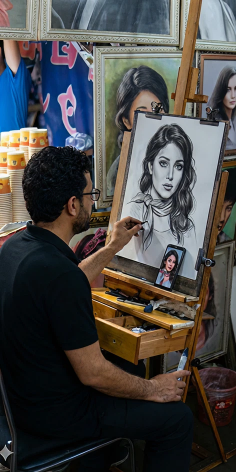
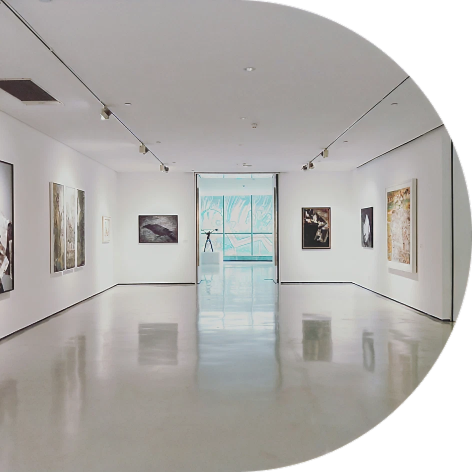
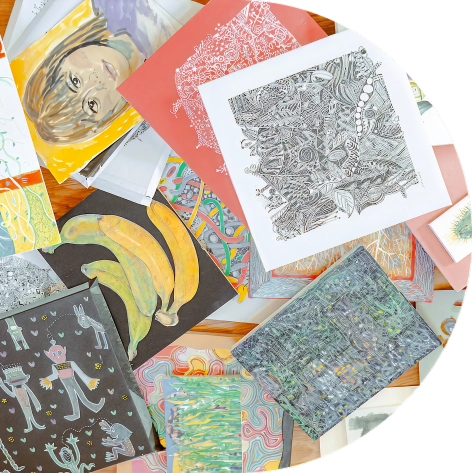
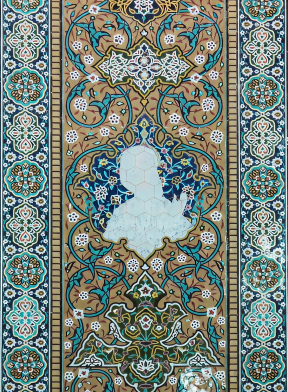
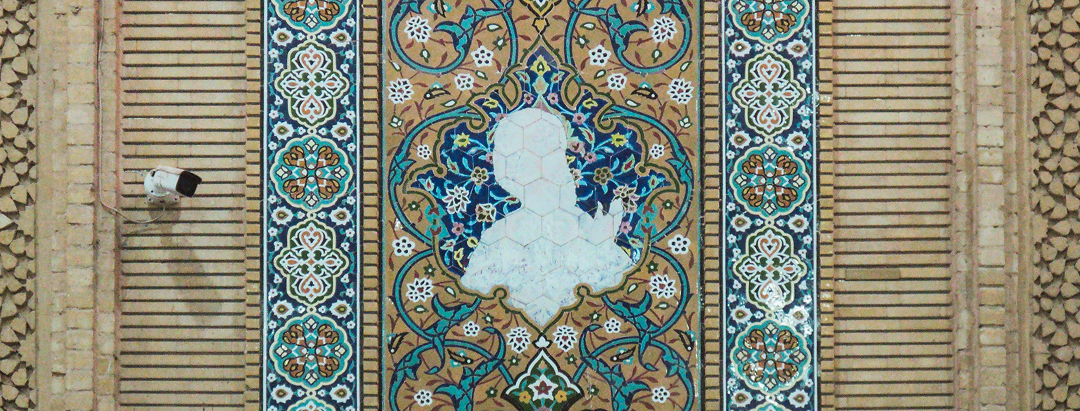
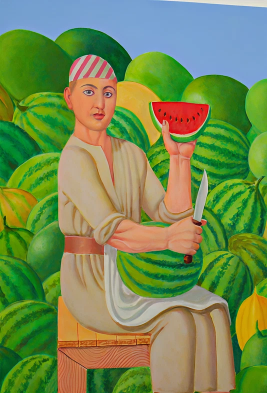
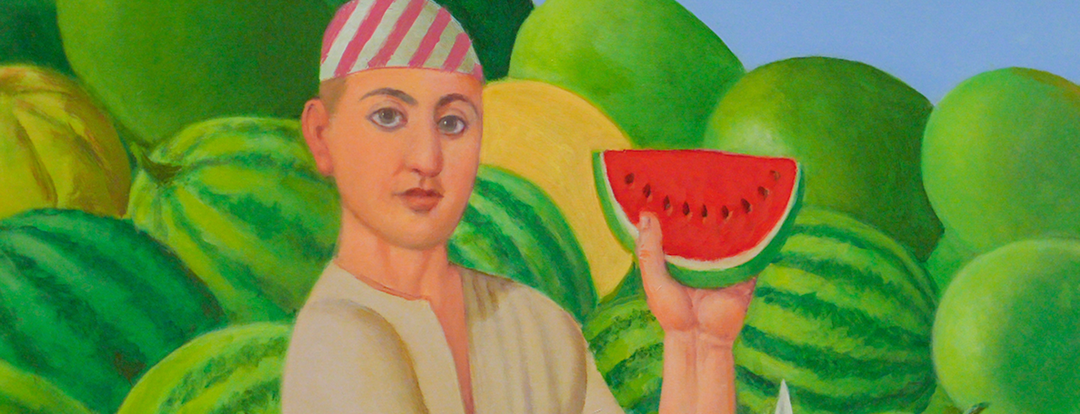
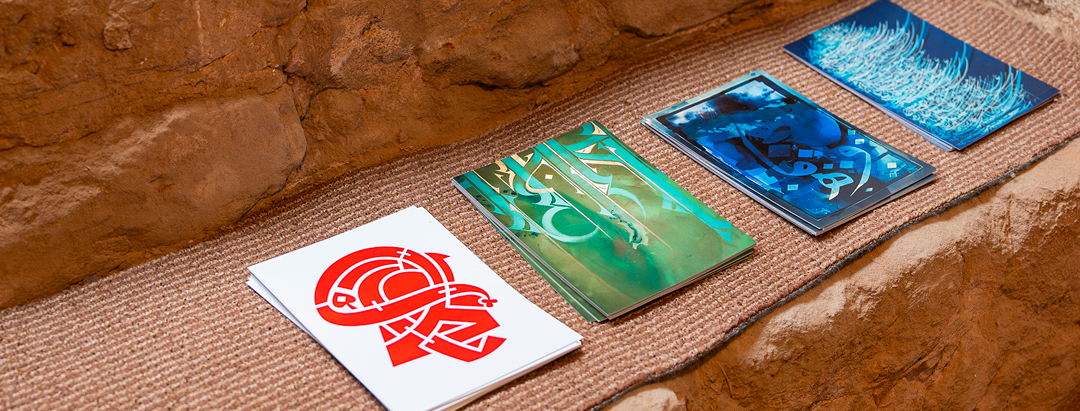

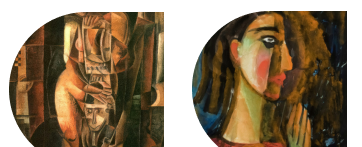
Often referred to as the era of Al-Ruwad (The Pioneers), this period marks the birth of modern Arab art. Many of these artists were sent on government-sponsored scholarships to study in European capitals like Paris and Rome. Upon returning home, they blended Western academic techniques (such as Impressionism and Realism) with local subjects, landscapes, and the emerging concept of national identity.

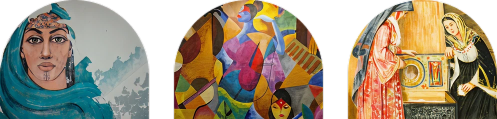
This period was heavily defined by regional political turmoil, most notably the 1967 Six-Day War (the Naksa or 'setback'), the Palestinian exodus, and the Lebanese Civil War. Art became a crucial tool for resistance, political commentary, and documenting human suffering. Existential angst and national trauma led to an emotionally charged, often somber, figurative expressionism.
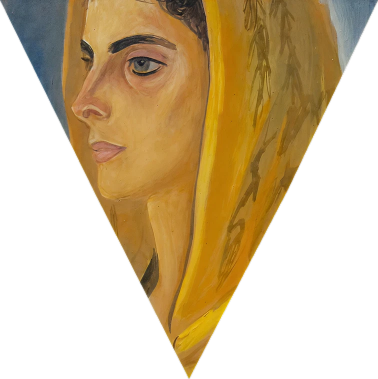
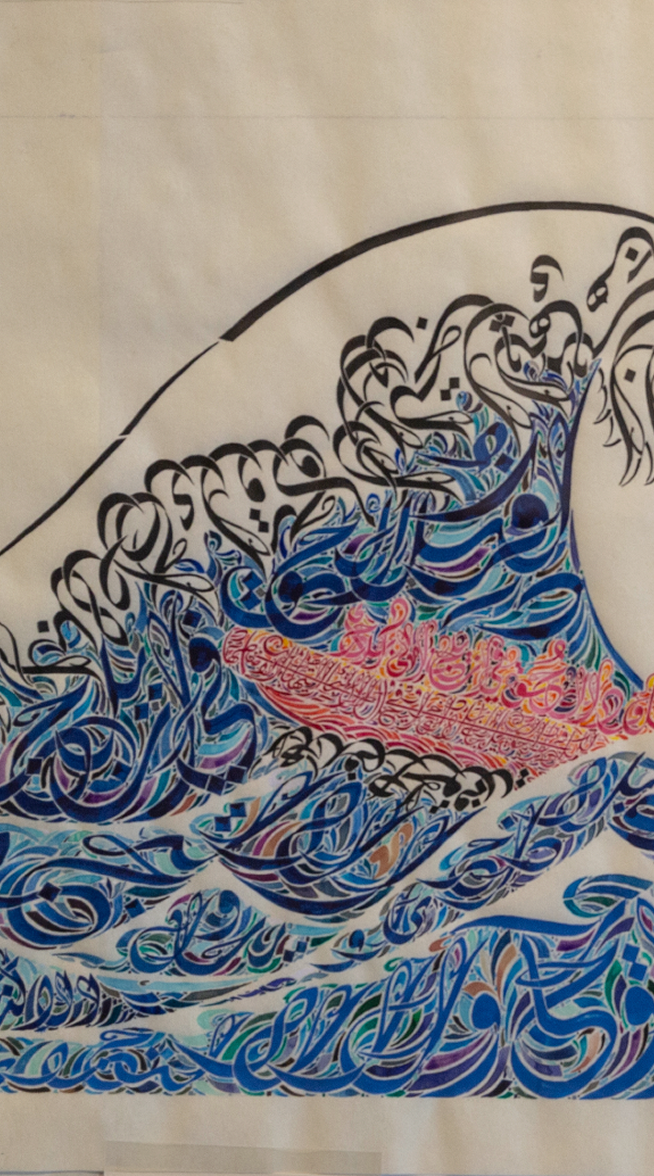
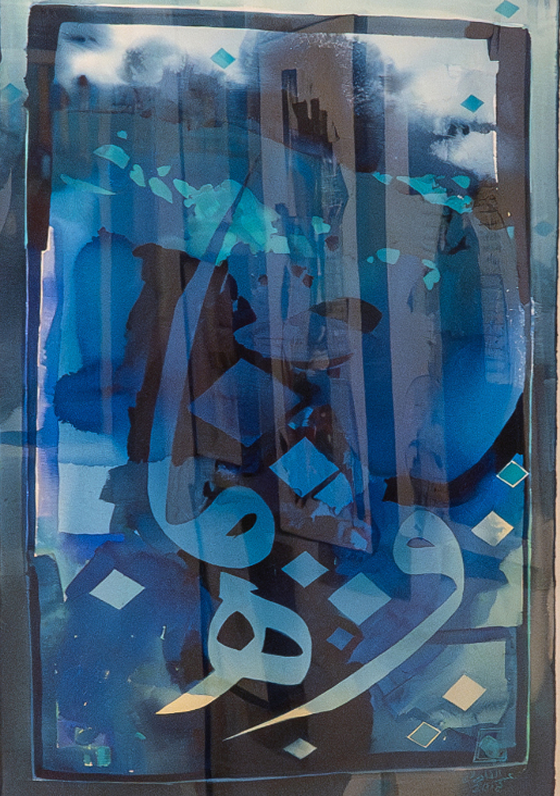
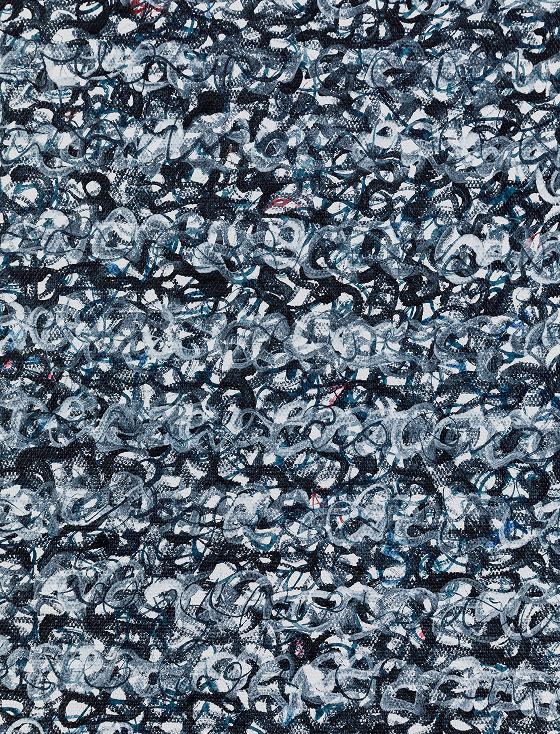
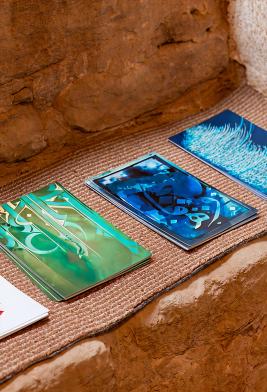
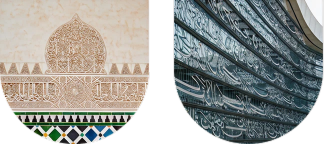
The Hurufiyya (Letterism) movement is arguably the most significant and cohesive modernist movement to emerge from the Arab world. Artists deconstructed Arabic calligraphy, liberating the letters from their linguistic and religious functions to use them as purely abstract, rhythmic, and visual elements. This allowed them to engage with global abstract expressionism while remaining deeply rooted in Islamic and Arab heritage.
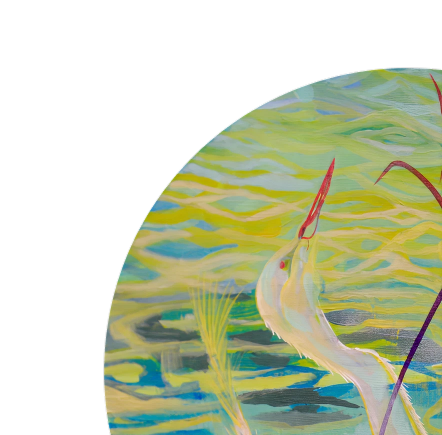
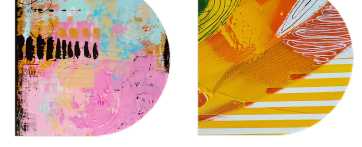
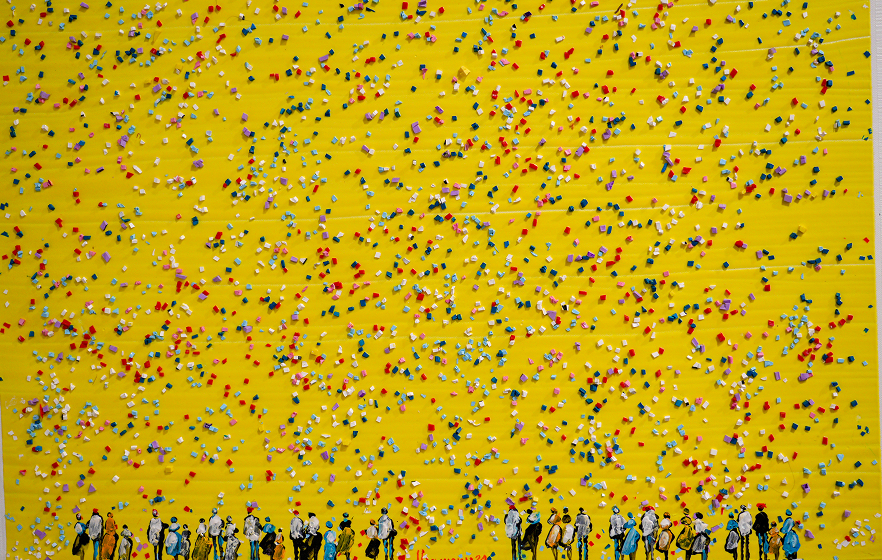
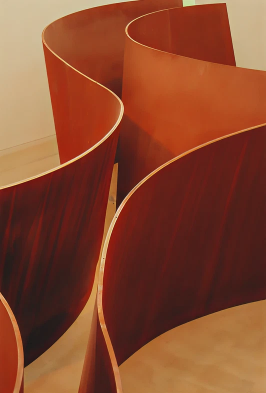
Driven by globalization, the diaspora experience, and new technologies, Arab art in this era expanded well beyond traditional painting and sculpture. It became heavily characterized by video, photography, installation, and performance art. Operating on a global stage, these artists tackle complex themes of post-colonialism, migration, memory, borders, and gender identity.
This helps us curate better recommendations for your taste


Drag & Drop your image here
or
This helps us curate better recommendations for your taste
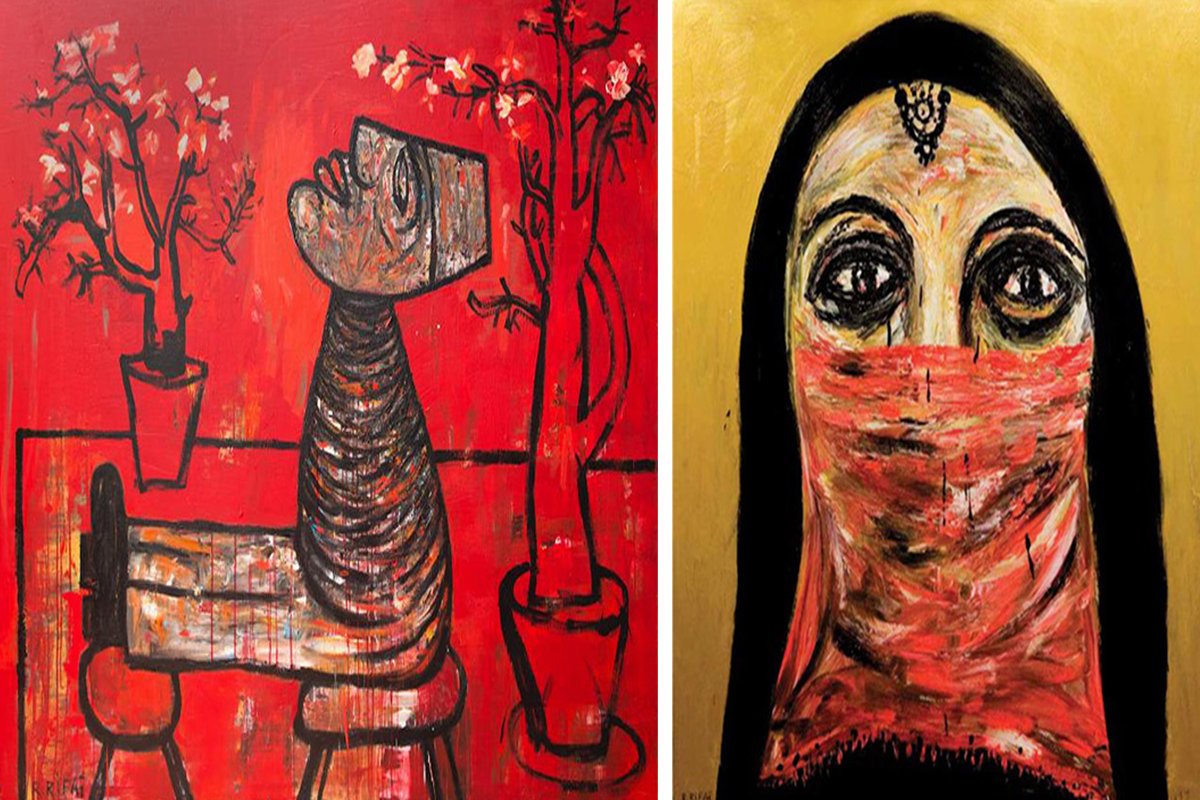
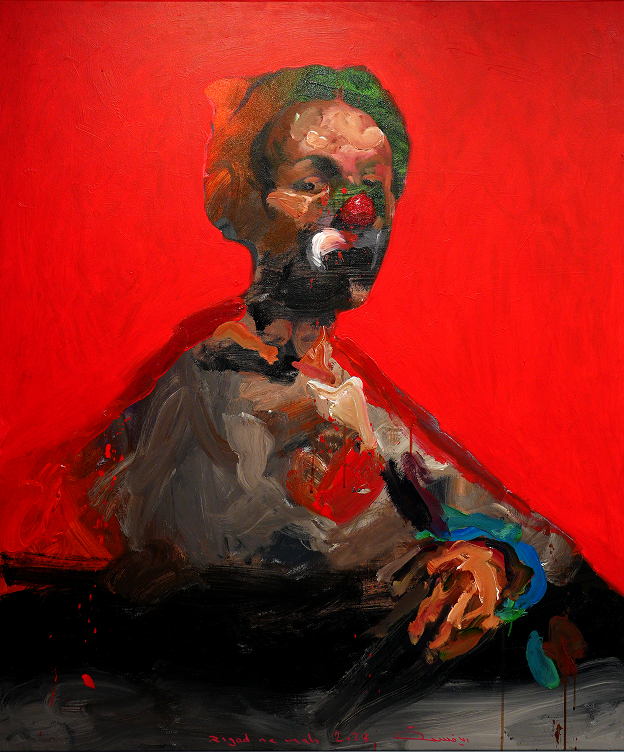
Discover the artistic journey of Raouf Rifai, whose iconic Darwich series explores humanity, heritage, and the emotions that connect us all.
Lebanese artist Raouf Rifai is one of the country's most distinguished contemporary painters, recognized for a visual language that bridges heritage, memory, and the human condition. Born in Lebanon in 1954, Rifai graduated with a Bachelor's degree in Decorative Arts before pursuing a Ph.D. in Urban Planning at the Sorbonne University in Paris. Alongside his artistic career, he has taught at the Lebanese University, contributed to the Lebanese art scene through exhibitions across Lebanon and internationally, and received numerous recognitions, including the prestigious Sursock Museum Award.
Throughout his career, Rifai has remained committed to one central subject: the human being.
Rather than documenting history, his paintings explore the emotional and psychological landscapes of people shaped by culture, tradition, conflict, and time. His works are deeply rooted in Middle Eastern heritage while speaking a universal language that transcends geography.
Among the most recognizable figures in Rifai's work is the Darwich.
Far beyond its traditional meaning, the Darwich in Rifai's paintings becomes a universal symbol of humanity. It is not a religious or historical figure, but a visual metaphor for the inner struggles every person carries.
With oversized noses, elongated faces, expressive moustaches, simplified forms, and penetrating eyes, these characters appear both fragile and resilient. They stand between silence and expression, memory and hope, solitude and belonging.
Each Darwich tells a different story, inviting viewers to discover their own emotions within the painting rather than offering a single interpretation.
Rifai frequently incorporates visual references inspired by Arab culture and traditional Middle Eastern identity. Elements such as the tarboush, traditional garments, expressive facial features, and folkloric symbolism appear throughout his work—not as nostalgic illustrations, but as contemporary reinterpretations of cultural memory.
His paintings do not seek to preserve folklore; they transform it into a living dialogue between the past and the present.
This balance between tradition and modern expression has become one of the defining characteristics of his artistic practice.
As Raouf Rifai himself explains:

"My art's main subject is humanity. It is nourished by the history of our civilization and our heritage. My work is a mirror reflecting the realities, transformations, and evolution of our Middle Eastern society."
This philosophy runs through every collection he creates.
Whether portraying joy, uncertainty, resilience, or vulnerability, Rifai approaches each figure with remarkable empathy. His paintings remind us that despite differences in culture or history, human emotions remain universal.
Rifai's expressive brushstrokes, layered textures, spontaneous lines, and restrained palette have established an unmistakable visual identity.
His compositions often appear deceptively simple, yet reveal increasing complexity the longer one observes them. Every line, gesture, and imperfection contributes to the emotional presence of the work.
The Darwich series, in particular, has become one of the most celebrated bodies of work in his career, appreciated by collectors for its authenticity, timelessness, and profound emotional depth.
Nadine Fayad Art Gallery proudly represents the work of Raouf Rifai, presenting a carefully curated selection of his paintings and sculptures, including the acclaimed Darwich Series.
Located in Tabaris, Achrafieh, Beirut, the gallery is dedicated to promoting exceptional Lebanese contemporary art while connecting collectors with artists whose work carries both cultural significance and lasting artistic value.
Through exhibitions, private viewings, and international collaborations, Nadine Fayad Art Gallery continues to share Raouf Rifai's vision with audiences in Lebanon and abroad, ensuring that his work remains an important voice in contemporary Middle Eastern art.
 READ NEXT ARTICLE