Welcome to MENA Art
Exclusive access to galleries and artists across the region etc.
Search the ADAI marketplace by uploading an image and explore visually similar artworks.

Drag an image here

Exclusive access to galleries and artists across the region etc.
Art investment in the MENA region is evolving rapidly, blending cultural insight with strong market growth.
Would you like to:
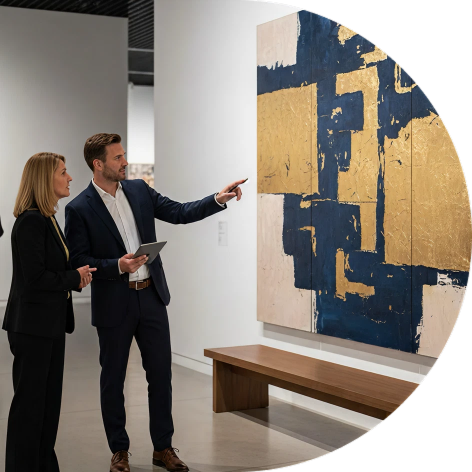
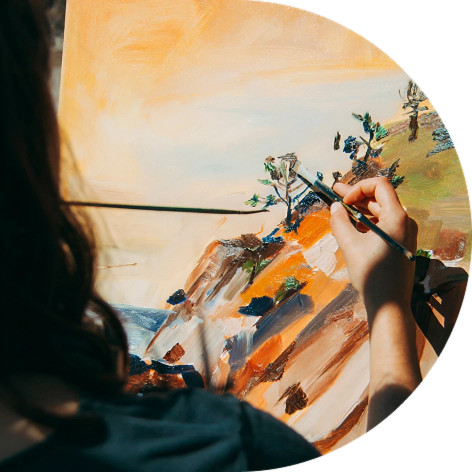
ADAI works with artists across the Middle East and North Africa to ensure their work is seen, understood, and contextualized. Representation on ADAI means supporting artists through curated visibility, research, and digital presentation, connecting their work to audiences, exhibitions, and broader cultural conversations.
Artists featured on ADAI are not exclusively signed or commercially represented— instead, ADAI provides a platform to showcase your practice, highlight your perspective, and situate your work within the evolving landscape of MENA art.
By representing your work on ADAI, you gain access to:
Representation is about visibility, context, and community - helping your art reach the right audiences while respecting your autonomy as an artist."
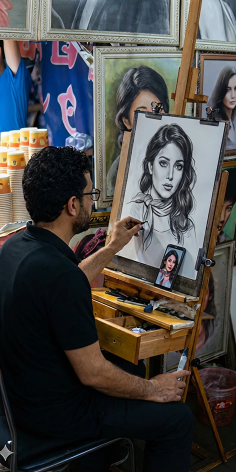
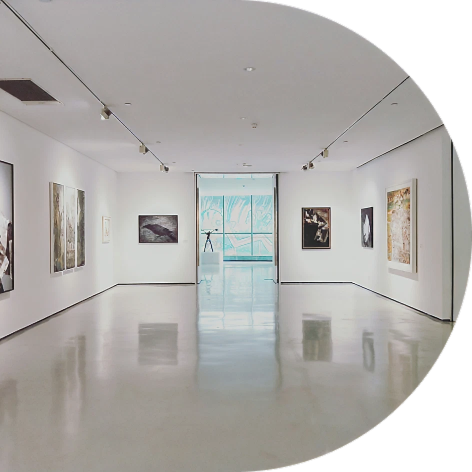
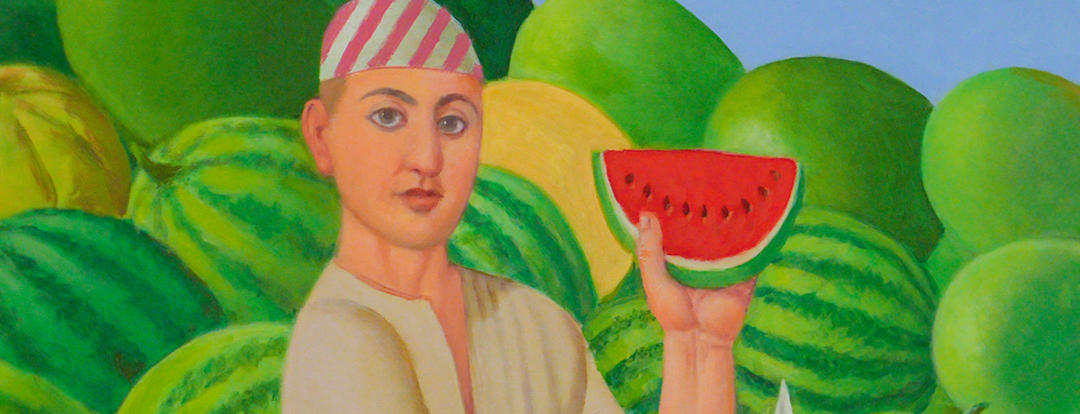
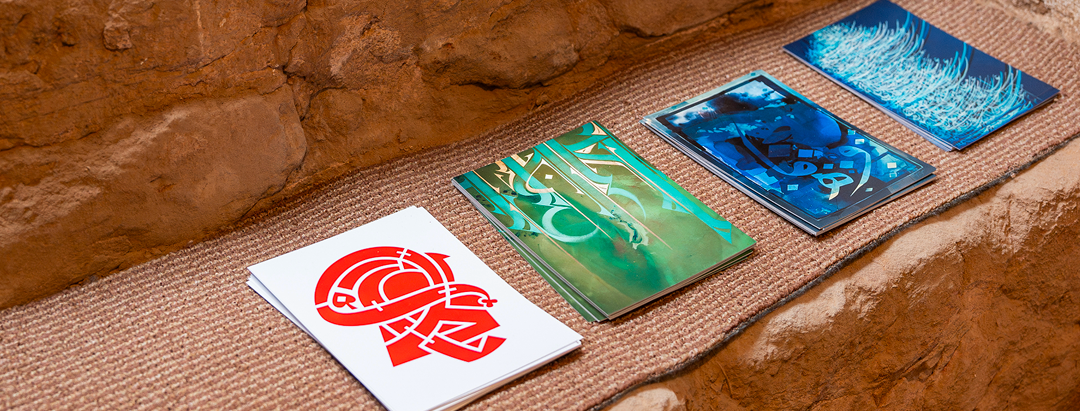

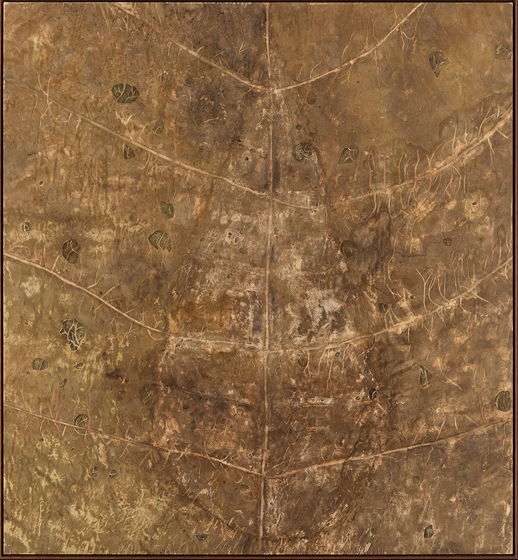
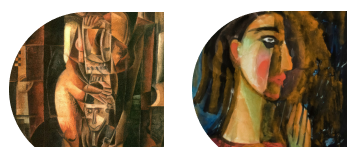
Often referred to as the era of Al-Ruwad (The Pioneers), this period marks the birth of modern Arab art. Many of these artists were sent on government-sponsored scholarships to study in European capitals like Paris and Rome. Upon returning home, they blended Western academic techniques (such as Impressionism and Realism) with local subjects, landscapes, and the emerging concept of national identity.

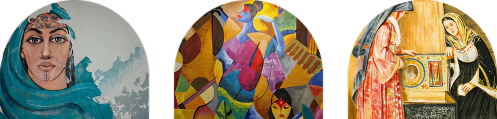
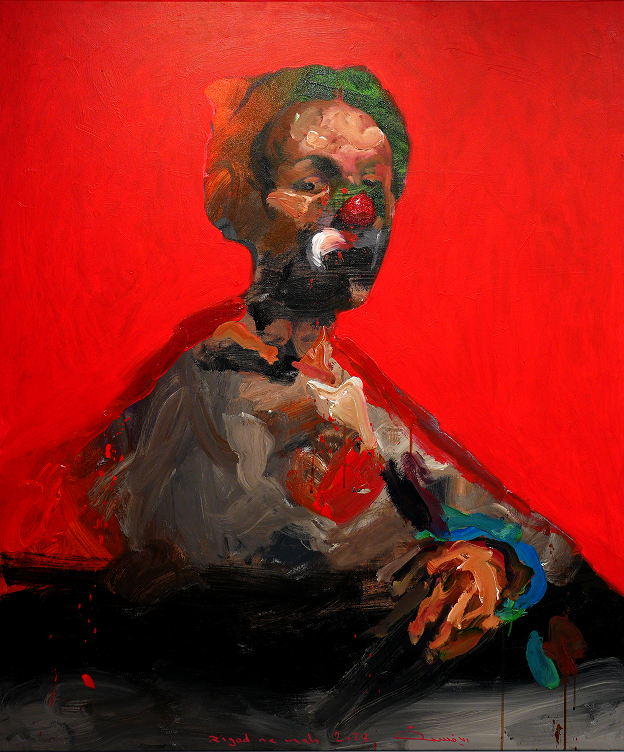
This period was heavily defined by regional political turmoil, most notably the 1967 Six-Day War (the Naksa or 'setback'), the Palestinian exodus, and the Lebanese Civil War. Art became a crucial tool for resistance, political commentary, and documenting human suffering. Existential angst and national trauma led to an emotionally charged, often somber, figurative expressionism.
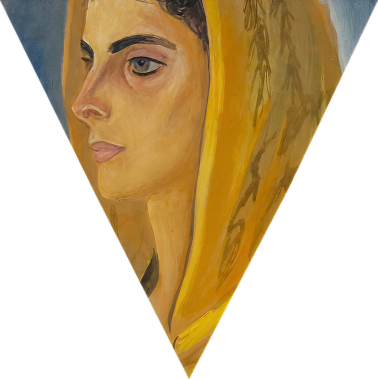
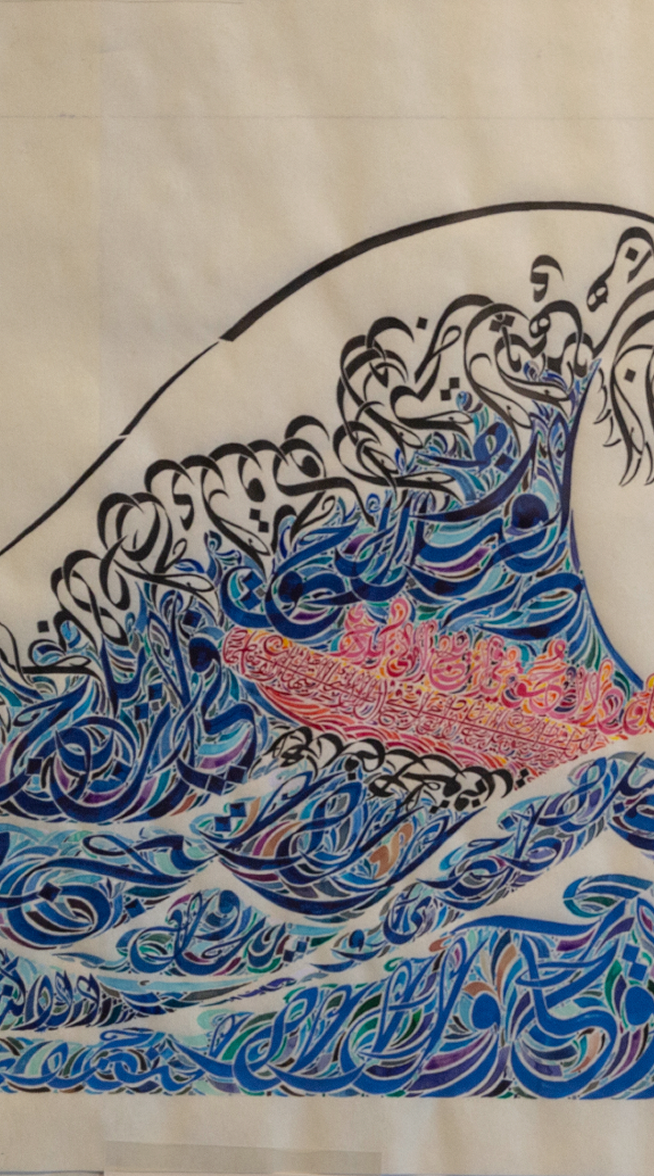
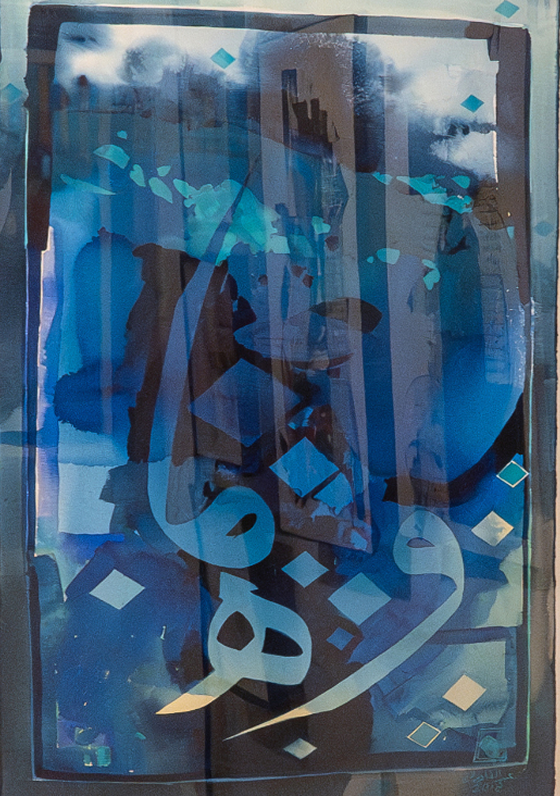
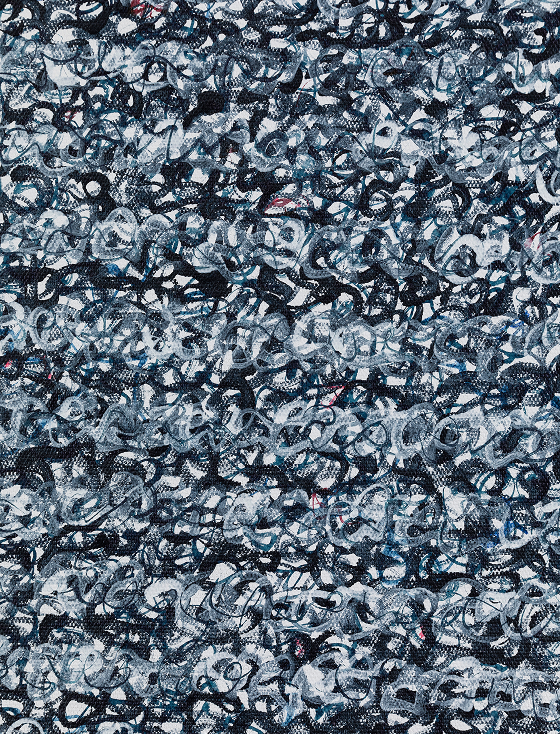
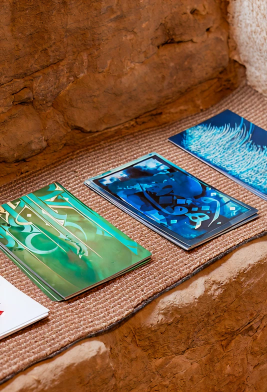
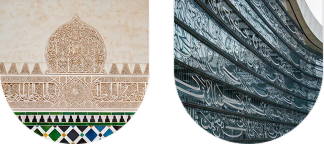
The Hurufiyya (Letterism) movement is arguably the most significant and cohesive modernist movement to emerge from the Arab world. Artists deconstructed Arabic calligraphy, liberating the letters from their linguistic and religious functions to use them as purely abstract, rhythmic, and visual elements. This allowed them to engage with global abstract expressionism while remaining deeply rooted in Islamic and Arab heritage.
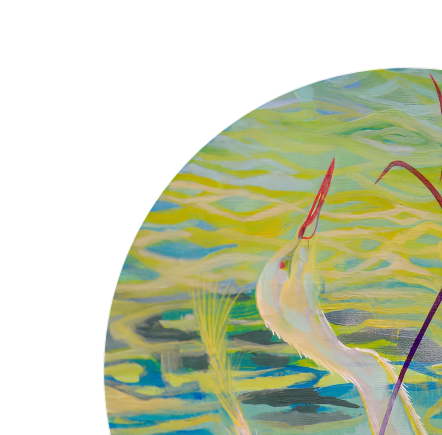
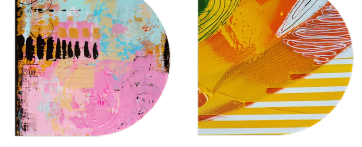
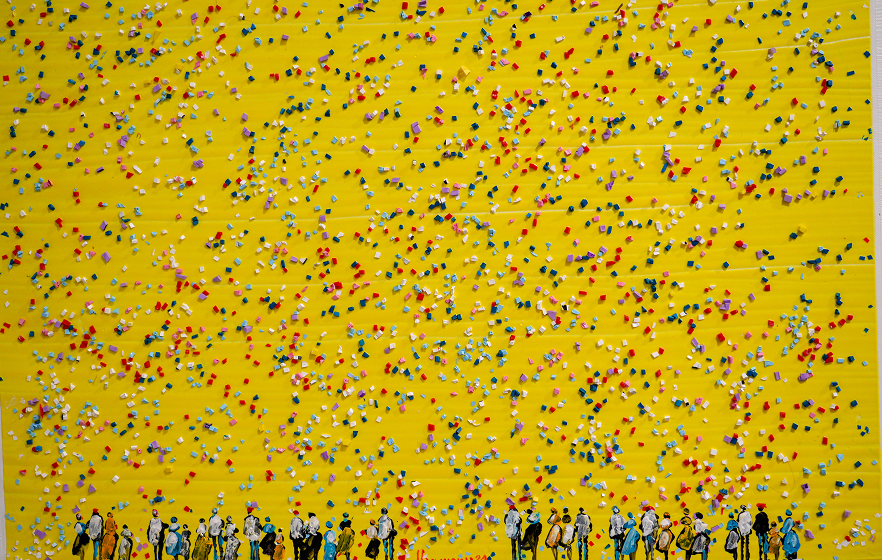
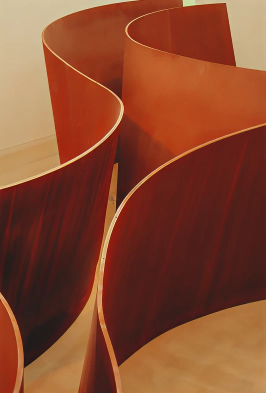
Driven by globalization, the diaspora experience, and new technologies, Arab art in this era expanded well beyond traditional painting and sculpture. It became heavily characterized by video, photography, installation, and performance art. Operating on a global stage, these artists tackle complex themes of post-colonialism, migration, memory, borders, and gender identity.
This helps us curate better recommendations for your taste


Drag & Drop your image here
or
This helps us curate better recommendations for your taste

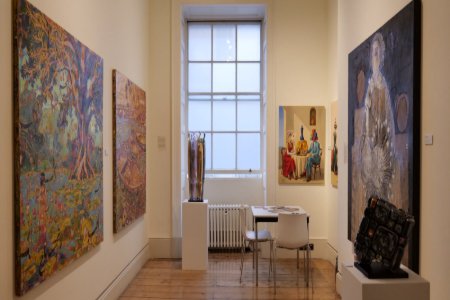
Maya Art Space is proud to announce its first participation in 1-54 Contemporary African Art Fair London 2026, presenting a group of four artists whose practices explore heritage and transformation through distinct approaches to painting, calligraphy and sculpture. Bringing together Souad MardamBey,
Maya Art Space is proud to announce its first participation in 1-54 Contemporary African Art Fair London 2026, presenting a group of four artists whose practices explore heritage and transformation through distinct approaches to painting, calligraphy and sculpture. Bringing together Souad MardamBey, Sayed Waked, Ibrahim Khattab and Mina Nasseef, the booth reflects the diversity of contemporary artistic practices emerging from Egypt.
Souad MardamBey presents a poetic body of paintings centred on simplified, ethereal human figures. Often deliberately ambiguous in gender and stripped of conventional markers of identity, her figures inhabit contemplative spaces where the gaze becomes a means of exploring vulnerability, and human connection. Birds, recurring throughout her work, introduce notions of freedom, hope and resilience, while layered surfaces, muted tones and subtle textures create an atmosphere of intimacy.
Following his studies at Cairo University and early experience as a designer in a flame-working glass factory, Sayed Waked began dedicating his practice to glass sculpture in 2007 after seeing his kids play with rubik’s cube, and also experience the quarantine during the 2020 pandemic. His works move between transparent and opaque forms, incorporating colour as well as silver and gold effects. His experimentation with the possibilities of glass allows him to transform a traditionally functional material into sculptural compositions that balance precision, fragility and physical presence.
Ibrahim Khattab approaches heritage through the written word. Working across painting, video and installation, Khattab transforms Arabic calligraphy from a system of communication into a visual language in its own right. Letters are fragmented, layered and reconfigured, becoming rhythm, movement and abstraction rather than remaining bound to their literal meaning. His practice creates a dialogue between the historical significance of Arabic script and contemporary modes of image-making.
Completing the presentation, Mina Nasseef draws on Egyptian identity, literature and visual culture to construct cinematic scenes through acrylic and mixed media. His compositions frequently place solitary figures within expansive architectural environments, creating a sense of narrative suspension and psychological space.
Together, the four artists establish a dialogue between the intimate and the collective, the inherited and the contemporary. Their practices demonstrate how cultural memory can be carried through different materials and languages: the human figure, the written word, the sculptural object and the architectural image. Rather than treating heritage as fixed, their works reinterpret it as something continuously transformed through experience, displacement, imagination and contemporary life.
For 1-54 London, Maya Art Space brings these distinct voices into conversation, highlighting artistic practices that remain deeply connected to their cultural contexts while engaging with broader questions of identity, memory, belonging and the human condition.