Welcome to MENA Art
Exclusive access to galleries and artists across the region etc.
Search the ADAI marketplace by uploading an image and explore visually similar artworks.

Drag an image here

Exclusive access to galleries and artists across the region etc.
Art investment in the MENA region is evolving rapidly, blending cultural insight with strong market growth.
Would you like to:
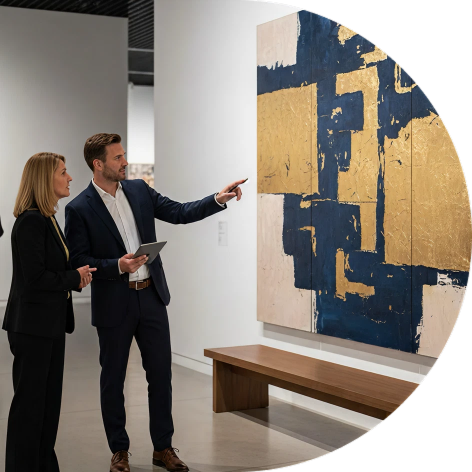
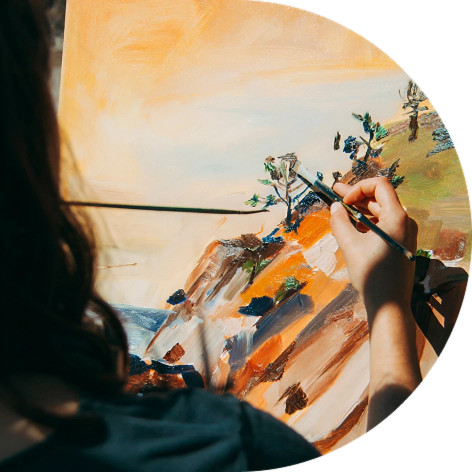
ADAI works with artists across the Middle East and North Africa to ensure their work is seen, understood, and contextualized. Representation on ADAI means supporting artists through curated visibility, research, and digital presentation, connecting their work to audiences, exhibitions, and broader cultural conversations.
Artists featured on ADAI are not exclusively signed or commercially represented— instead, ADAI provides a platform to showcase your practice, highlight your perspective, and situate your work within the evolving landscape of MENA art.
By representing your work on ADAI, you gain access to:
Representation is about visibility, context, and community - helping your art reach the right audiences while respecting your autonomy as an artist."
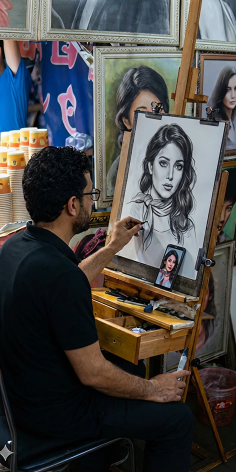
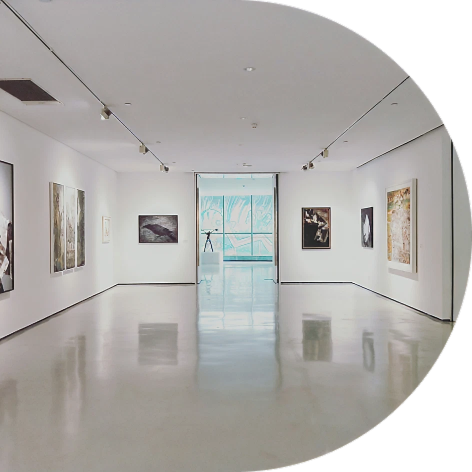
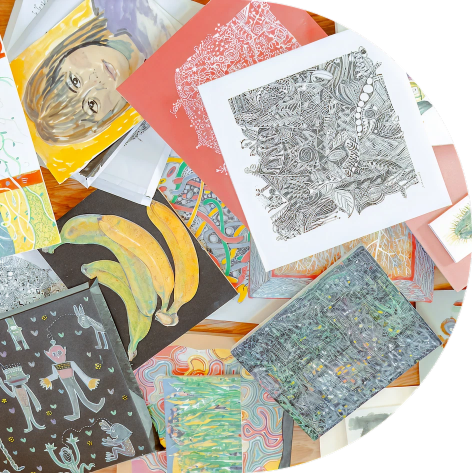
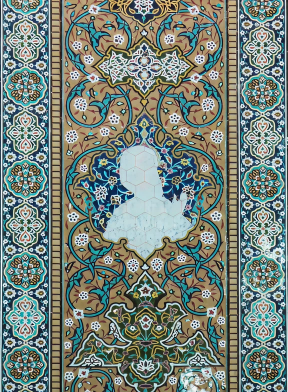
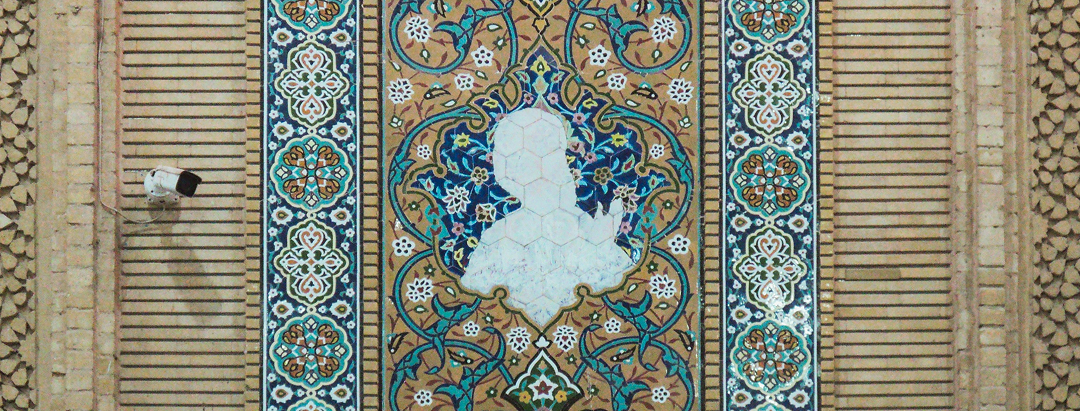
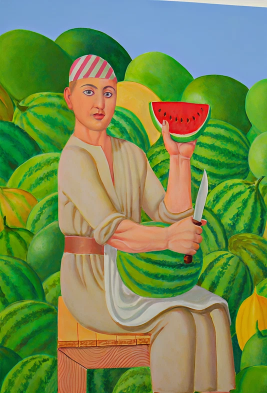
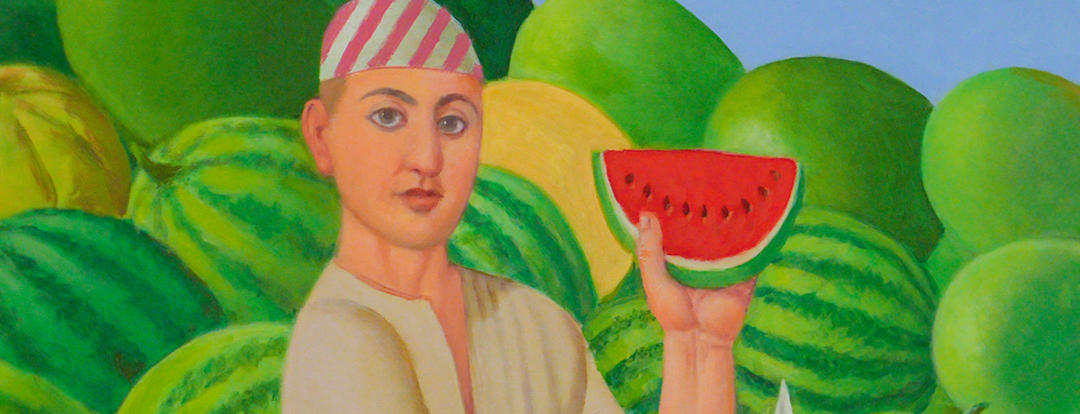

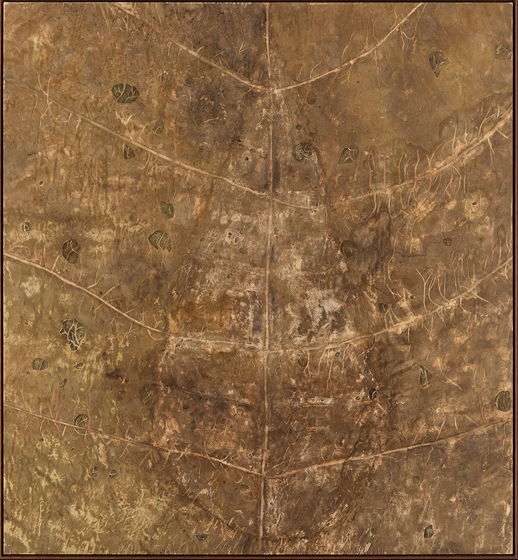
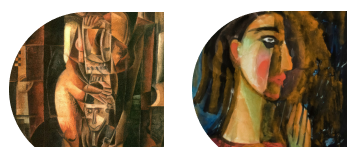
Often referred to as the era of Al-Ruwad (The Pioneers), this period marks the birth of modern Arab art. Many of these artists were sent on government-sponsored scholarships to study in European capitals like Paris and Rome. Upon returning home, they blended Western academic techniques (such as Impressionism and Realism) with local subjects, landscapes, and the emerging concept of national identity.

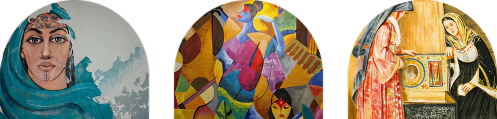
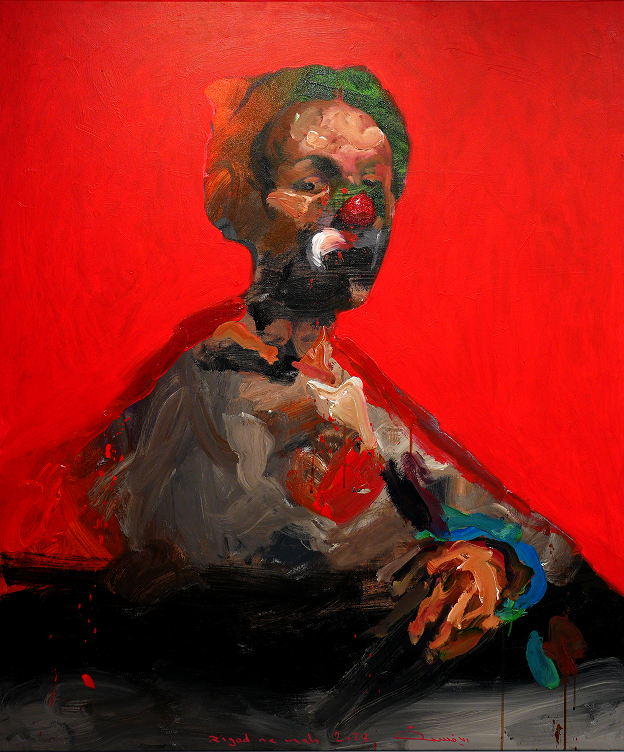
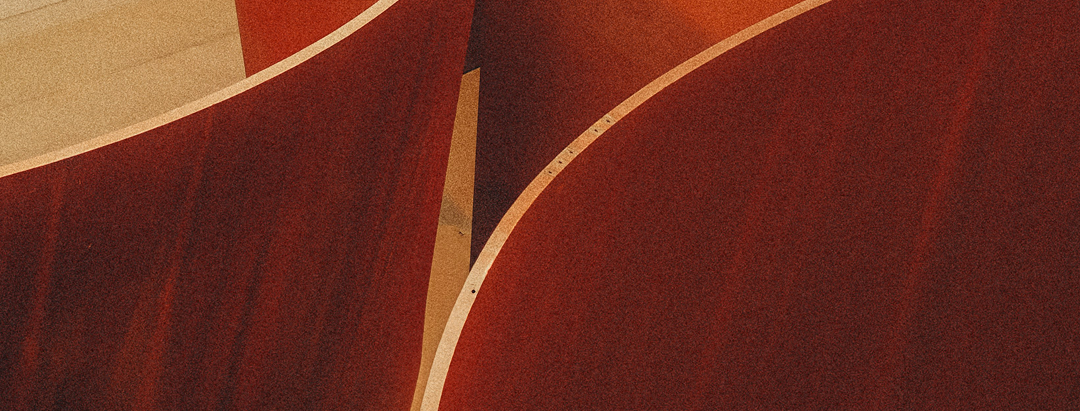
This period was heavily defined by regional political turmoil, most notably the 1967 Six-Day War (the Naksa or 'setback'), the Palestinian exodus, and the Lebanese Civil War. Art became a crucial tool for resistance, political commentary, and documenting human suffering. Existential angst and national trauma led to an emotionally charged, often somber, figurative expressionism.
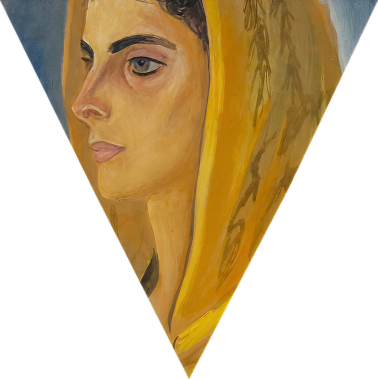
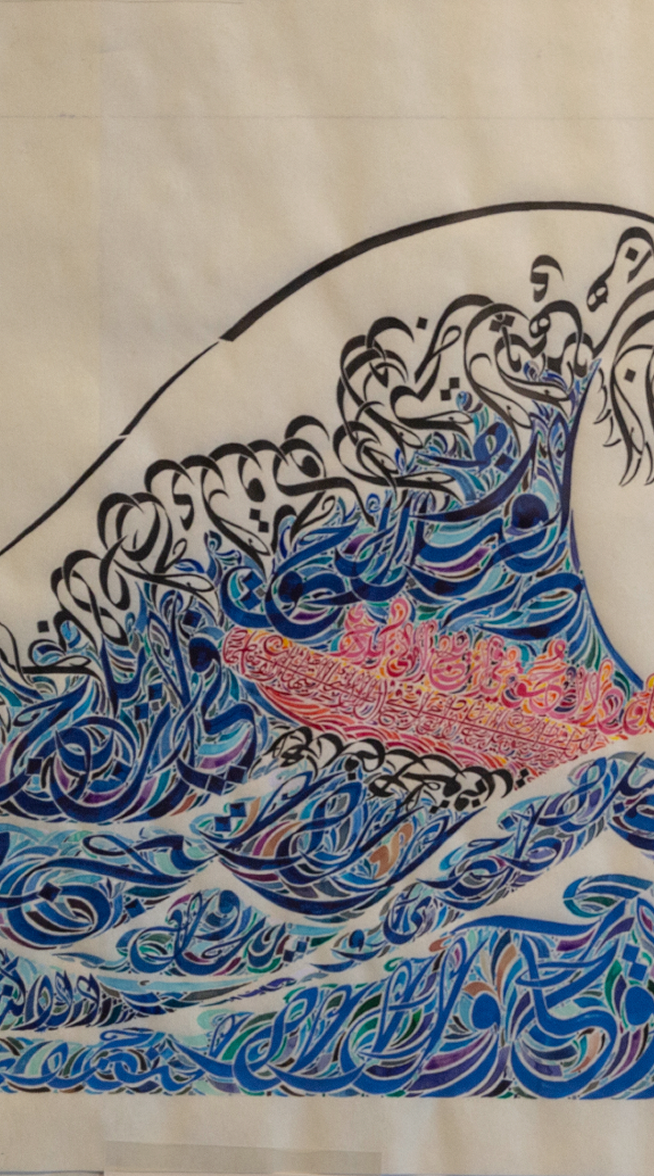
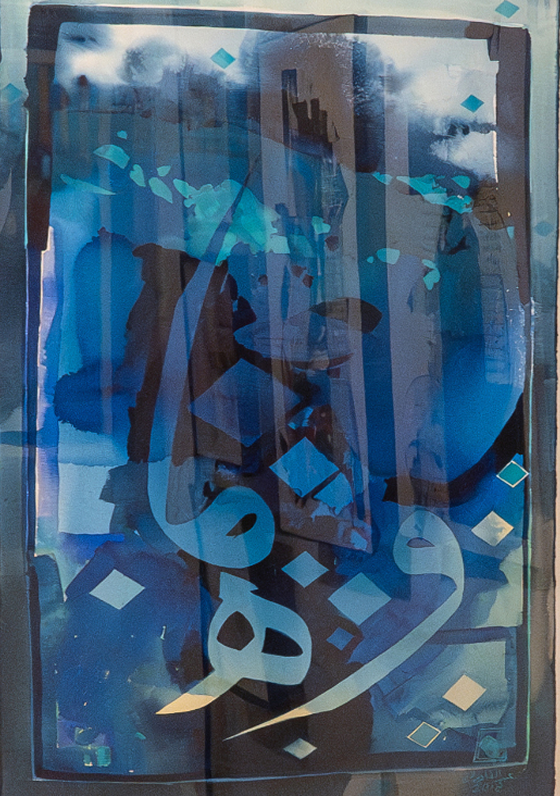
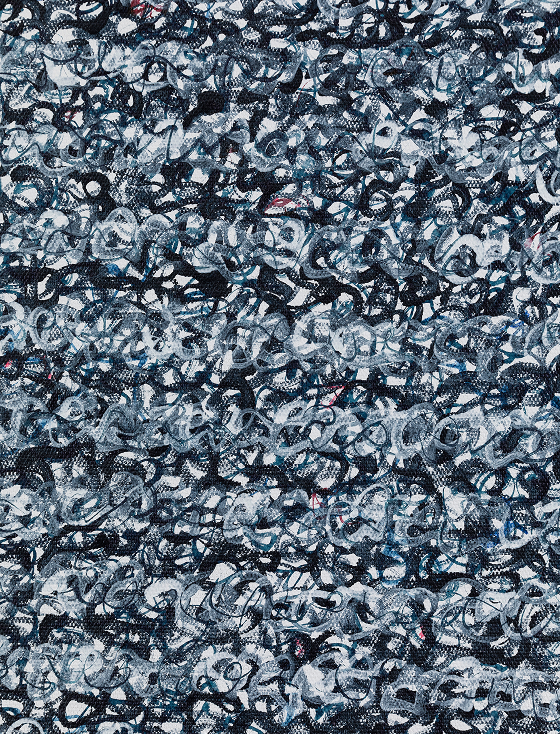
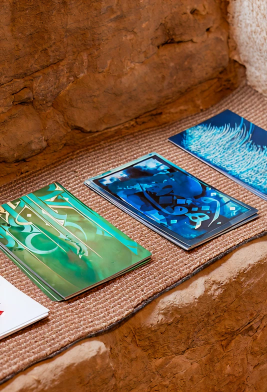
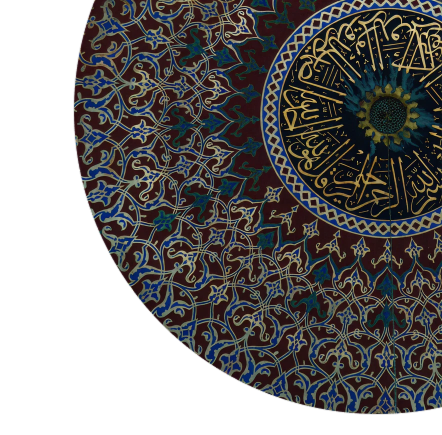
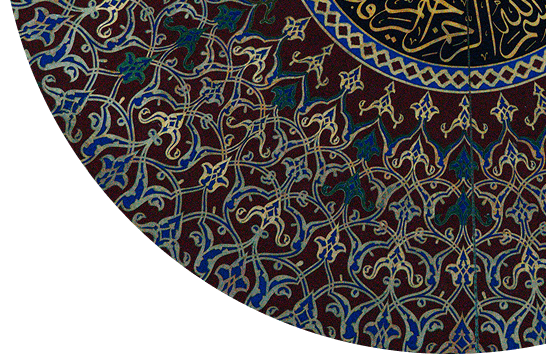
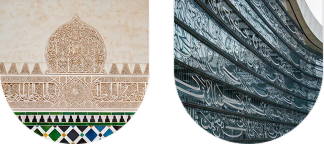
The Hurufiyya (Letterism) movement is arguably the most significant and cohesive modernist movement to emerge from the Arab world. Artists deconstructed Arabic calligraphy, liberating the letters from their linguistic and religious functions to use them as purely abstract, rhythmic, and visual elements. This allowed them to engage with global abstract expressionism while remaining deeply rooted in Islamic and Arab heritage.
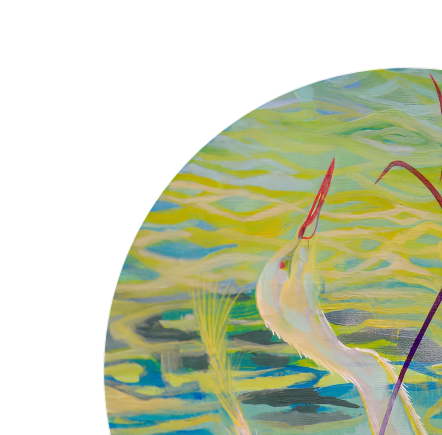
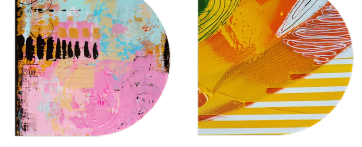
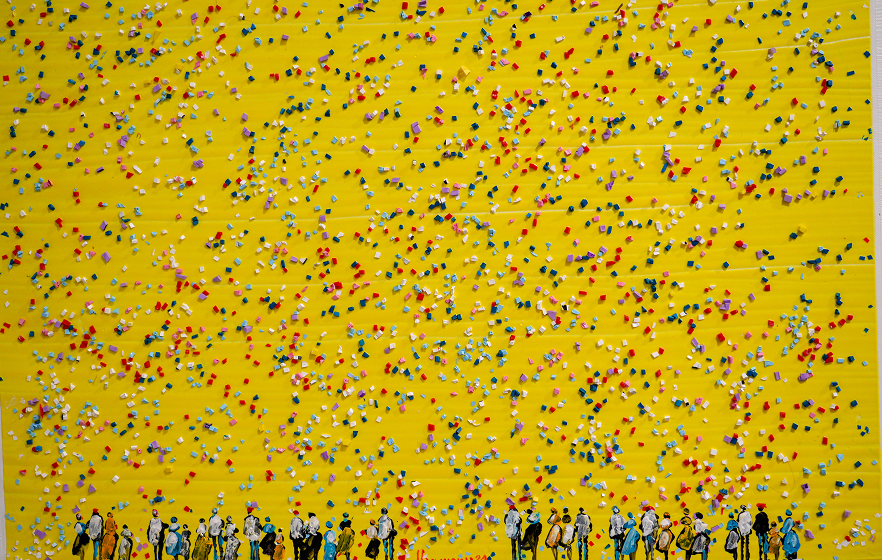
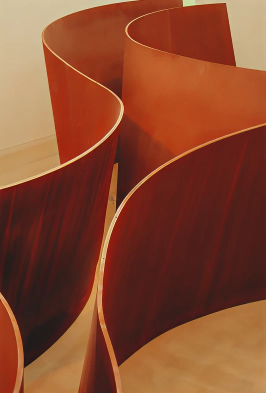
Driven by globalization, the diaspora experience, and new technologies, Arab art in this era expanded well beyond traditional painting and sculpture. It became heavily characterized by video, photography, installation, and performance art. Operating on a global stage, these artists tackle complex themes of post-colonialism, migration, memory, borders, and gender identity.
This helps us curate better recommendations for your taste


Drag & Drop your image here
or
This helps us curate better recommendations for your taste
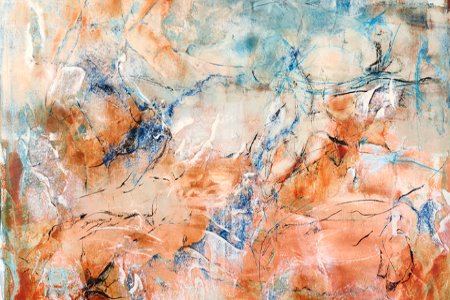
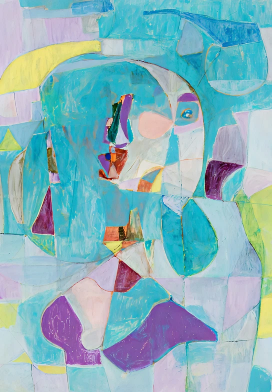
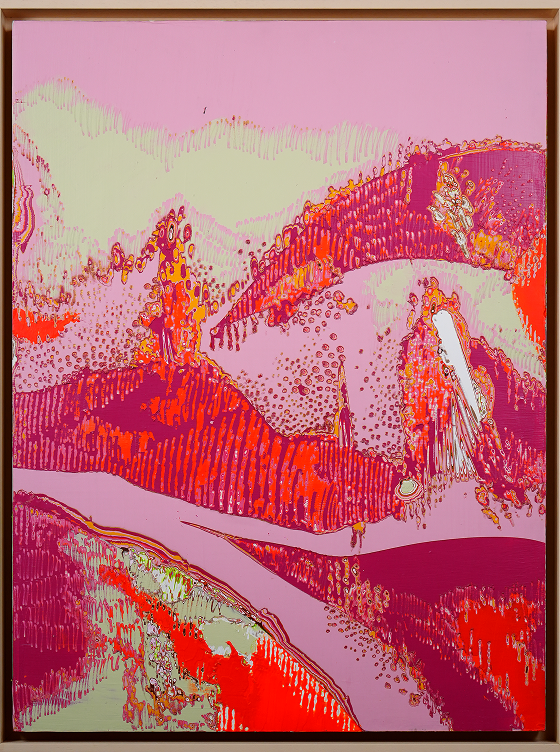
Art on 56th Gallery presents INSIDE OF OUTSIDE, a solo exhibition by Lebanese visual artist Sara Chaar - Beirut, Lebanon
Art on 56th Gallery is pleased to present INSIDE OF OUTSIDE, a solo exhibition by Lebanese visual artist Sara Chaar, bringing together a new
body of abstract paintings inspired by the weathered walls and cracked facades of Beirut.
Working from photographs of the city’s surfaces, Chaar extracts fragments of forms that become a recurring visual vocabulary throughout the
exhibition. Rather than reproducing the walls themselves, she transforms their fissures, traces, and irregularities into compositions that move between
landscape, territory, and the body.
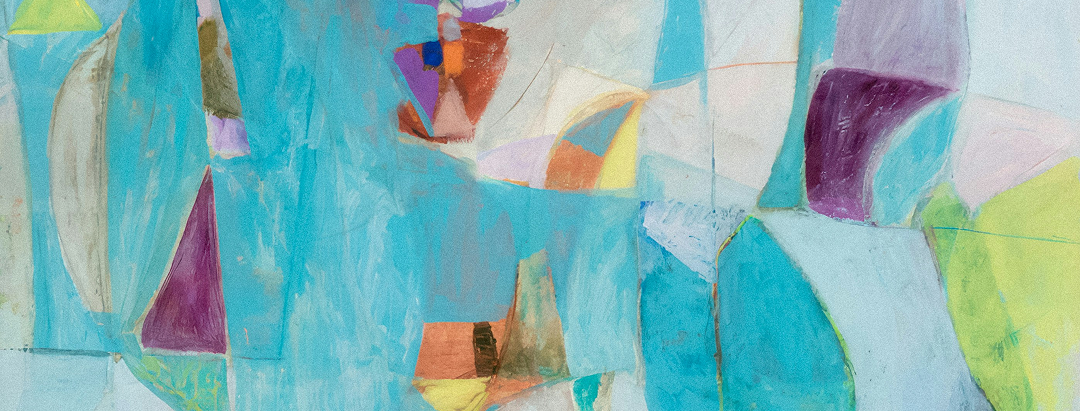
For INSIDE OF OUTSIDE, Chaar works with oil and wax, building successive layers that are covered, scraped back, and reworked. What lies beneath
is sometimes concealed and sometimes allowed to reappear, creating surfaces in a constant state of transformation. This process of construction,
deconstruction, and reconstruction is central to this body of work.
The concept of the palimpsest runs throughout the exhibition. Layers accumulate without entirely erasing what came before. Traces remain active
beneath the surface, shaping what appears above them. The paintings resist a single interpretation, shifting between aerial landscapes,
fragmented territories, eroded maps, skin, and the interior of the body.
INSIDE OF OUTSIDE explores this movement between exterior and interior, asking where one ends and the other begins. The walls of the city become
intimate terrains, while the body itself can be read as landscape. Through material, gesture, and repeated acts of revealing and concealing,
Chaar creates surfaces in which what is hidden remains as significant as what can be seen.
Born in Miami, Florida, Sara Chaar is a Lebanese multidisciplinary visual artist whose practice spans painting, drawing, and video art. Currently
based in France, she has exhibited internationally in Lebanon, the United Kingdom, Denmark, Germany, the United States, and Canada. Her work
is held in numerous private and public collections, including the Arab World Institute (IMA) in Paris.
INSIDE OF OUTSIDE continues Chaar’s exploration of layered surfaces, memory, transformation, and the relationship between the visible and the
concealed.